Category: Articles

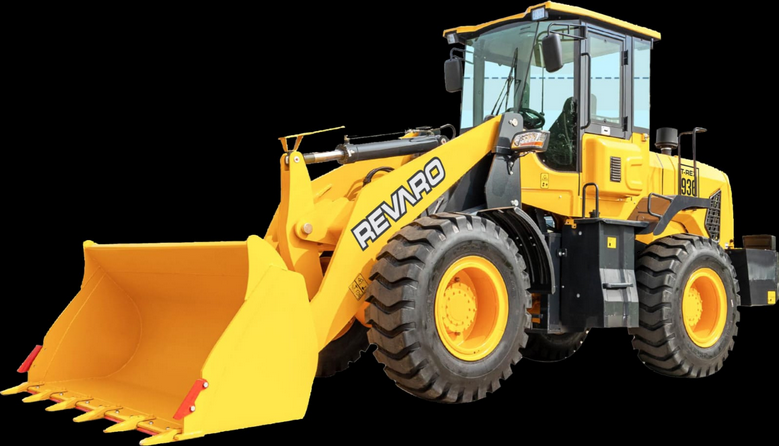
Revaro T-Rex936 Front End Loader, Built for Power, Precision, and Productivity

Revaro T-Rex936 Front End Loader

Why the T-Rex936 Stands Out

In construction, agriculture, and logistics, the right equipment can make or break productivity. The Revaro T-Rex936 Front End Loader is engineered for performance, delivering a balance of power, control, and durability that suits South African conditions.

Its 3-ton rated load capacity and advanced hydraulic system make it ideal for moving materials efficiently across busy sites, from gravel and soil to pallets and aggregate. The T-Rex936 is designed not just to handle heavy lifting but to optimise your workflow, keeping uptime high and operating costs low.

Engineered for Heavy-Duty Performance

Under the hood, the T-Rex936 features a Weichai Deutz WP6G125E22 engine, offering a powerful 92 kW output for demanding environments. Its torque-heavy engine delivers smooth acceleration under load, while the automatic transmission ensures seamless gear shifting for maximum control.

Key performance specifications include:

  • Rated Load: 3,000 kg
  • Bucket Capacity: 1.7 m³
  • Operating Weight: 13,000 kg
  • Hydraulic System Pressure: 16 MPa
  • Maximum Dump Height: 3,050 mm

These specs allow operators to move large volumes efficiently, making the T-Rex936 an asset in earthmoving, mining support, and agricultural transport.

Operator Comfort Meets Functionality

Comfort translates to productivity, and the T-Rex936’s cabin is designed with that in mind. Operators benefit from:

  • 360° visibility for safer operations in confined spaces
  • Ergonomic seat positioning and low cabin noise for reduced fatigue
  • Simplified joystick control for precision movements

This focus on usability allows for more accurate loading and better cycle times without overworking the operator.

Versatility Through Attachments

The T-Rex936 isn’t limited to a single function. With multiple attachments, it can easily transform to meet changing job requirements. Common options include:

  • Forklift attachments for pallet handling
  • Auger drills for digging and boring tasks
  • Stone sieve and grab buckets for material separation
  • Breaking hammer for light demolition work

Each attachment is built to fit seamlessly, extending the machine’s use across construction, landscaping, and municipal projects.

Durability That Delivers

The T-Rex936’s reinforced frame and heavy-duty axles are designed for South Africa’s rugged terrain. A hydraulic quick coupler system allows for rapid attachment changes, while its air-over-hydraulic braking system ensures stability even when fully loaded.

Corrosion-resistant components and low-maintenance seals keep downtime minimal, making this loader a long-term investment for any fleet.

Where It Fits Best

  • Construction & civils: bulk loading, stockpile management, road base handling
  • Agriculture: feed, grain, and material transfer
  • Aggregates & waste: loading hoppers, screening support, yard logistics

The Advantage with AMCS

Through After Market Commercial Solutions (AMCS), customers gain access to Revaro’s proven reliability and AMCS’s trusted aftersales support. From parts availability to local service expertise, the T-Rex936 isn’t just a purchase, it’s a partnership in performance.

Whether for agriculture, mining, or construction, this front end loader brings European engineering and African resilience together.

Conclusion

The Revaro T-Rex936 represents strength, precision, and long-term value. Compact enough for tight sites yet powerful enough for bulk operations, it’s built to take on the toughest jobs in South Africa’s demanding environments.

Contact AMCS today to learn more about Revaro’s full range of loaders, attachments, and aftersales solutions.
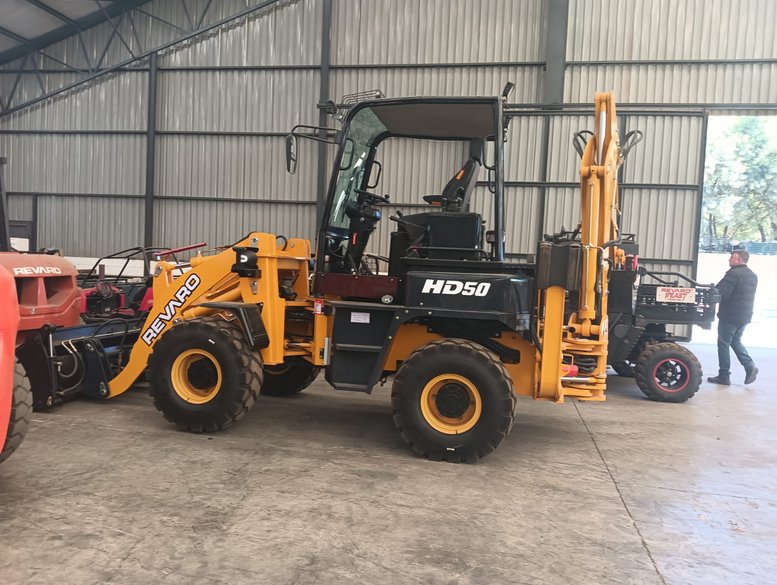
Revaro HD50 Compact TLB, Versatility for Urban Builds, Landscaping, and Utilities

Revaro HD50 Compact TLB

One Machine, Multiple Roles

For teams that need to dig, trench, load, and tidy up within tight sites, the Revaro HD50 compact TLB brings two core functions, front loader and rear backhoe, in a manoeuvrable footprint. It’s a practical choice for crews who tackle mixed tasks and can’t justify multiple specialist machines on smaller projects.

Compact Power with Real-World Control

The HD50’s driveline and hydraulics are tuned for steady power delivery at low to mid revs, helping operators feather loads precisely and maintain trench profiles. With responsive steering and a tight turning circle, it fits comfortably into inner-city work, estates, and confined access jobs without trading away stability.

Loader & Backhoe Productivity

  • Loader end: general-purpose and 4-in-1 buckets for grab, grade, and load; quick clean-up between tasks.
  • Backhoe end: trenching, service runs, and footings with smooth boom arc control for accuracy and repeatability.

Balanced weight distribution and intuitive controls support consistent cycle times across varied tasks.

Attachment-Driven Flexibility

Expand the HD50’s scope with a practical attachment set:

  • 4-in-1 bucket, forks, and sweeper for sites and estates
  • Auger and breaker for utilities and small civils
  • Grading and V-blades for shaping and maintenance

With quick attachment changes, crews switch from prep to finish without swapping machines.

Built for Tight Sites

The compact chassis and low overall height simplify transport and access beneath height restrictions. Ground-level service points speed daily checks, while durable pins, bushes, and hoses are chosen for repeat work in dusty, abrasive conditions.

Ideal Applications

  • Urban construction: trenching, footing prep, loading spoil, site shaping
  • Landscaping & estates: path prep, bed formation, material movement, clean-up
  • Utilities & maintenance: service trenches, small repairs, reinstatement

AMCS Back-Up You Can Count On

With AMCS, you get procurement, parts, and service support under one roof. That keeps the HD50 earning, less time waiting, more time working.

Conclusion

Compact where it counts, capable where it matters, Revaro HD50 TLB makes mixed-task days easier.
Contact AMCS to configure your HD50 with the right attachments for your workload.

The Power Behind the Lift: Understanding Hydraulic Systems in Forklifts

Understanding Hydraulic Systems in Forklifts

The Hidden Strength Within Every Forklift

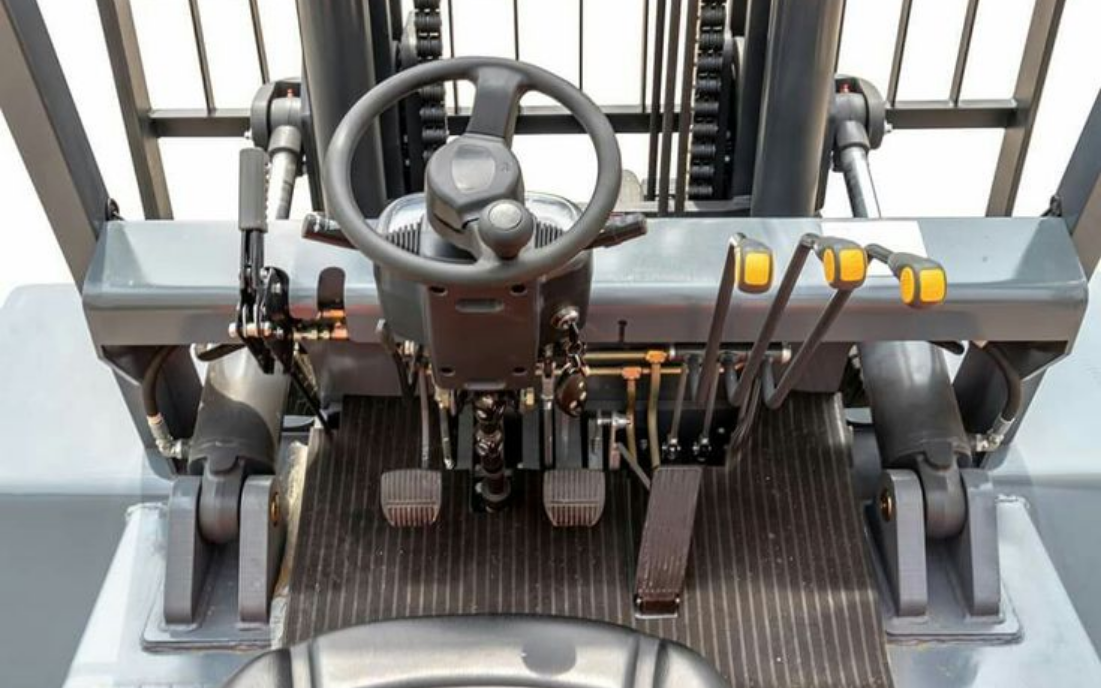
Every forklift’s power lies not just in its engine or electric motor, but in the hydraulic system that makes lifting, tilting, and positioning loads possible. Hydraulics are the heart of material handling, converting mechanical energy into controlled, precise motion.

When a forklift raises a heavy pallet or tilts a mast forward with effortless precision, it’s the hydraulic system doing the hard work. These systems operate under immense pressure and require expert care to remain efficient, safe, and reliable.

At After Market Commercial Solutions (AMCS), we understand that maintaining hydraulic integrity isn’t just a service task, it’s an essential part of performance, safety, and uptime.

What the Hydraulic System Does

The hydraulic system is responsible for all the forklift’s primary lifting and movement functions. It transmits power through pressurised fluid, giving the operator smooth and powerful control over the mast, forks, and attachments.

Key hydraulic operations include:

  • Lifting and lowering: Raising loads vertically through controlled fluid pressure.
  • Tilting: Adjusting the mast angle for balance and load stability.
  • Steering and braking (in some models): Supporting auxiliary systems for smooth operation.

Without hydraulics, forklifts would be little more than powered carts, unable to lift or manoeuvre effectively.

How Hydraulic Systems Work

At its core, a forklift’s hydraulic system uses Pascal’s Law, which states that pressure applied to a confined fluid is transmitted equally throughout the fluid.

Here’s how that principle translates into action:

  1. The Pump generates fluid flow from the hydraulic reservoir, powered by the engine or electric motor.
  2. Hydraulic Lines and Hoses carry pressurised fluid to the system’s control valves and cylinders.
  3. Control Valves regulate the direction and flow of the fluid based on operator input.
  4. Cylinders and Pistons convert fluid pressure into mechanical force, lifting or tilting the load.
  5. Return Lines carry the fluid back to the reservoir, completing the cycle.

This process happens seamlessly and repeatedly every time an operator moves the control levers, creating precision movement even under heavy loads.

Key Components of a Forklift Hydraulic System

Understanding the main components of a forklift’s hydraulic system helps operators and maintenance teams identify potential problem areas before they cause downtime.

1. Hydraulic Pump

The pump is the system’s heart, generating the flow that powers every hydraulic action. Common pump types include gear, vane, and piston pumps, each suited to different forklift models and load requirements.

2. Hydraulic Cylinders

These are responsible for converting fluid pressure into linear motion. Lift cylinders raise the mast, while tilt cylinders control its angle. High-quality seals and precision machining are critical for maintaining efficiency.

3. Hydraulic Fluid

The system’s lifeblood. Hydraulic oil lubricates components, transfers energy, and helps dissipate heat. Using the wrong fluid type or neglecting fluid replacement is one of the most common causes of system failure.

4. Control Valves

These regulate fluid direction, volume, and pressure. They translate operator commands into mechanical response, making smooth operation possible.

5. Hoses and Fittings

High-pressure hoses connect every part of the system. They must withstand heat, vibration, and constant movement without leaking or bursting. Regular inspection is vital.

Common Hydraulic Problems, and What They Mean

Even the best forklifts experience wear over time. Knowing how to recognise hydraulic issues early can save thousands in repair costs.

1. Hydraulic Fluid Leaks

Visible oil spots under a forklift usually indicate worn seals, loose fittings, or hose damage. Leaks reduce system pressure and can cause dangerous load drops if ignored.

2. Jerky or Slow Lifting

This is often caused by low fluid levels, air trapped in the system, or worn pump components. Smooth, responsive operation depends on maintaining consistent pressure.

3. Excessive Noise or Vibration

A whining or knocking sound can indicate cavitation, when air bubbles form in the fluid due to low levels or blockages. This can damage pumps and cylinders quickly.

4. Overheating

Hydraulic systems generate heat under load, but excessive temperatures suggest contamination, incorrect oil viscosity, or a failing relief valve. Overheating accelerates wear and can cause fluid degradation.

5. Spongy Controls or Delayed Response

If the forklift feels sluggish or unresponsive, the issue may lie in worn seals or a failing control valve. These problems reduce operator precision and safety.

Early intervention is key. Addressing these warning signs through AMCS’s expert servicing prevents major failures and ensures continuous performance.

Maintenance Practices That Extend Hydraulic Life

Proper maintenance is the single most effective way to preserve a forklift’s hydraulic system. AMCS recommends a structured maintenance plan that includes the following steps:

1. Routine Fluid Checks

Monitor fluid levels daily and check for signs of contamination (such as discolouration or a burnt smell). Replace hydraulic oil according to manufacturer guidelines, typically every 1,000-2,000 operating hours.

2. Filter Replacement

Clogged filters restrict flow and introduce contaminants. Replace filters at scheduled intervals to maintain clean, efficient fluid circulation.

3. Regular Hose Inspection

Inspect hoses for cracks, bulges, or leaks. Even minor damage can lead to pressure loss or system failure under load.

4. Seal and Fitting Checks

Hydraulic seals are designed to handle extreme pressure, but they wear down over time. Inspect regularly and replace proactively to prevent leaks.

5. Temperature Monitoring

Overheating shortens the life of both fluid and components. Keep an eye on temperature gauges and address issues promptly.

6. Clean Operating Environment

Dust and debris can enter hydraulic systems during servicing or refilling. Always work in clean conditions to avoid contamination.

The Link Between Hydraulics and Safety

A hydraulic failure isn’t just a mechanical problem, it’s a safety hazard. Leaking hoses, weak lifting pressure, or failing seals can cause unstable loads and sudden drops.

By maintaining the hydraulic system, operators protect both themselves and their equipment. AMCS’s technicians follow strict safety inspection protocols, ensuring every system component performs within safe operating limits.

Forklift safety isn’t about luck; it’s about maintenance discipline and professional servicing.

Hydraulic Servicing by AMCS

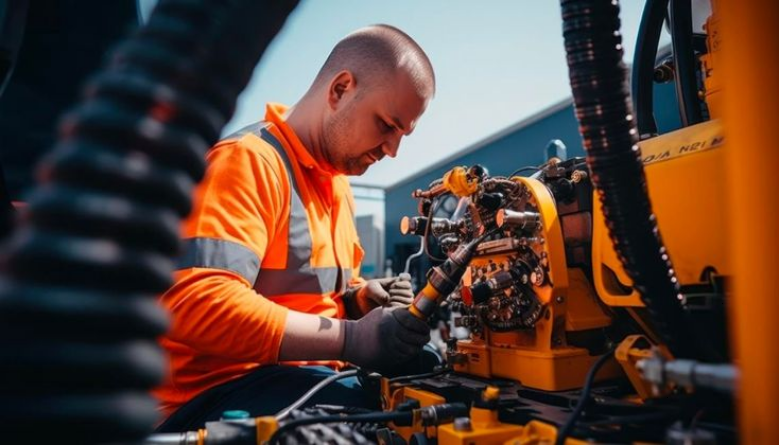
At After Market Commercial Solutions, hydraulic servicing is part of our core expertise. Our technicians are trained to inspect, diagnose, and repair all hydraulic components on Heli forklifts and other leading brands.

Each service includes:

  • Fluid analysis and replacement
  • Cylinder seal inspection and replacement
  • Pressure testing and calibration
  • Hose and fitting replacement
  • Pump and valve functionality testing

Using genuine parts and precise testing equipment, AMCS ensures your hydraulic systems operate exactly as intended, strong, efficient, and reliable.

Hydraulic Upkeep as Part of Total Fleet Care

Hydraulics are just one piece of the puzzle. A complete maintenance plan considers the entire forklift, from electrical systems to drive components. AMCS integrates hydraulic servicing into broader maintenance schedules, providing a full-picture approach that keeps fleets running longer and safer.

This holistic method ensures that performance gains aren’t isolated to one system but are felt across every aspect of your operation.

Conclusion: Power You Can Depend On

Hydraulics are the heartbeat of every forklift. When properly maintained, they deliver the precision, strength, and control that define efficient material handling.

Neglect, however, turns this strength into vulnerability, leading to downtime, safety risks, and unnecessary costs.

With AMCS, you get more than a repair service; you get a partner dedicated to the performance and longevity of your fleet. From fluid analysis to complete system overhauls, our team ensures your forklifts always deliver the lifting power your business depends on.Because at AMCS, we don’t just maintain machinery, we protect productivity.

Maximising Forklift Lifespan: Preventive Maintenance Practices Every Fleet Manager Should Know

Maximising Forklift Lifespan

Introduction: The Hidden Cost of Neglect

Forklifts are the backbone of warehouse and industrial operations, yet they’re often one of the most under-maintained assets in a fleet. When one breaks down, productivity halts, schedules fall behind, and costs start climbing fast.

The truth is, most major forklift failures don’t happen overnight. They build up slowly, through missed services, worn-out components, and overlooked warning signs. That’s why preventive maintenance is not just good practice; it’s a strategic investment.

At After Market Commercial Solutions (AMCS), preventive maintenance is about more than replacing parts. It’s about keeping your equipment in optimal condition, protecting your investment, and ensuring every lift is safe, efficient, and reliable.

Why Forklift Maintenance Matters

A well-maintained forklift does more than move pallets. It improves operational safety, increases productivity, and reduces total cost of ownership.

Poor maintenance has the opposite effect: increased downtime, higher repair bills, and accelerated wear on major systems like hydraulics, transmissions, and braking components. Even a single mechanical failure during operation can result in safety incidents and costly delays.

Forklifts operate in tough conditions, dust, vibration, heavy loads, and frequent use all take their toll. Regular inspections and servicing ensure these stress factors don’t evolve into expensive breakdowns.

Reactive vs. Preventive Maintenance

There’s a fundamental difference between fixing problems after they occur and preventing them altogether.

  • Reactive maintenance means waiting until the forklift fails before taking action. While it might seem cheaper upfront, it almost always leads to higher long-term costs, both financially and operationally.
  • Preventive maintenance, on the other hand, involves routine inspections, servicing, and early part replacements based on usage hours and manufacturer guidelines. It keeps forklifts performing at peak efficiency and minimises unexpected downtime.

For fleet managers, the choice is simple: pay a little now or pay a lot later.

The True ROI of Preventive Maintenance

Investing in regular forklift servicing pays dividends in multiple ways:

  1. Reduced Downtime: Planned maintenance prevents unexpected failures that can bring operations to a standstill.
  2. Lower Repair Costs: Addressing wear before it escalates keeps repairs simple and affordable.
  3. Improved Safety: Faulty components are identified and repaired before they pose risks to operators.
  4. Extended Lifespan: Routine maintenance slows mechanical degradation, prolonging the usable life of each forklift.
  5. Higher Resale Value: Well-maintained forklifts retain more of their value, giving businesses better returns on trade-ins or sales.

These benefits compound over time, making maintenance one of the smartest cost-control strategies available to fleet operators.

The Preventive Maintenance Checklist

A structured maintenance plan is the foundation of fleet reliability. While each forklift model may have unique requirements, the following checklist covers the core areas that should be inspected regularly:

Daily Checks

  • Fluid levels (engine oil, hydraulic oil, coolant)
  • Tyre pressure and tread wear
  • Fork and mast condition
  • Brakes and steering functionality
  • Horn, lights, and warning systems
  • Visible leaks or damage

Weekly Checks

  • Battery condition and connections (for electric models)
  • Fuel and air filters (for internal combustion models)
  • Chain tension and lubrication
  • Hydraulic hoses and fittings for leaks
  • Grease points on mast and pivot joints

Monthly or Quarterly Inspections

  • Load capacity verification and stability testing
  • Transmission and drive system inspections
  • Hydraulic pressure testing
  • Wheel alignment and suspension checks
  • Full diagnostic scan (if applicable)

Following these intervals ensures issues are caught early, before they evolve into major faults that take a forklift out of commission.

The Operator’s Role in Maintenance

Operators are the first line of defence against costly breakdowns. They know the equipment best, and their daily observations often identify small problems long before they escalate.

Training operators to conduct pre-operation inspections not only improves safety but also reinforces accountability. A culture of awareness across your workforce can make a measurable difference in equipment uptime.

AMCS encourages fleet managers to implement simple inspection routines, backed by training and checklists, so operators can confidently identify warning signs and report them promptly.

Common Warning Signs You Shouldn’t Ignore

Preventive maintenance isn’t just about following a schedule; it’s about paying attention to the details. Here are some of the most common red flags that suggest your forklift needs attention:

  • Unusual noises during lifting or turning
  • Reduced lifting speed or sluggish operation
  • Hydraulic fluid leaks around the mast or undercarriage
  • Warning lights on the dashboard
  • Irregular tyre wear or vibration while driving
  • Leaning forks or uneven weight distribution

Addressing these symptoms early can prevent a minor issue from becoming a costly, time-consuming repair.

AMCS: Your Partner in Forklift Longevity

At After Market Commercial Solutions, maintenance isn’t an afterthought, it’s part of our core service philosophy.

We understand that every minute of downtime costs money, which is why AMCS offers planned maintenance programmes, genuine Heli forklift parts, and expert servicing tailored to each client’s fleet.

Our technicians are trained to spot problems before they disrupt operations, using diagnostic tools and original manufacturer specifications to keep your equipment compliant and efficient.

From hydraulic systems and engines to brakes and electrical components, AMCS ensures every part of your forklift operates exactly as it should.

The Link Between Maintenance and Safety

Maintenance and safety go hand in hand. A neglected forklift isn’t just a financial risk, it’s a physical one.

Loose forks, faulty brakes, and hydraulic leaks can all result in serious workplace accidents. Regular maintenance verifies that every forklift meets safety regulations and manufacturer standards, protecting both equipment and people.

Fleet managers who prioritise maintenance demonstrate a commitment to employee well-being, something that builds trust and reinforces a strong safety culture.

Custom Maintenance Plans for Different Fleets

Not all operations are the same. A warehouse forklift that works eight hours a day has different service needs than a construction forklift that handles heavy loads in dusty environments.

That’s why AMCS creates custom maintenance schedules tailored to equipment type, usage hours, and operating conditions.

Whether you manage five forklifts or fifty, our approach ensures your fleet runs smoothly year-round, with minimal disruption and maximum value.

Conclusion: Invest in Care, Not Repairs

Forklift maintenance is often seen as a cost, but in reality, it’s one of the most powerful tools for reducing costs long-term. Preventive maintenance keeps machines healthy, teams safe, and operations efficient.

With AMCS as your service partner, you’re not just maintaining forklifts, you’re extending their lifespan, improving uptime, and protecting your bottom line.

Because when your equipment runs better, your business does too.

Diesel Emissions Systems 101: Keep Your Fleet’s DPF, EGR & SCR/AdBlue in Top Shape

Diesel Emissions Systems 101

Modern diesel trucks and off‑highway equipment are cleaner and more efficient than ever, but only if their emissions systems are cared for. When the DPF, EGR and SCR/AdBlue subsystems start misbehaving, you’ll see power loss, limp mode, poor fuel economy and unplanned stops. This guide explains how these systems work, the warning signs to watch for, and how AMCS helps you stay compliant while reducing downtime.

The Big Three: What They Do and Why They Fail

1) DPF (Diesel Particulate Filter)

The DPF traps soot created during combustion, then burns it off during regeneration.
Common problems: short-trip cycles that never reach regen temperature, ash build‑up from engine oil, faulty exhaust temperature/pressure sensors and exhaust leaks that skew readings.
What helps: timely forced regens, software‑guided diagnostics, leak checks, using low‑ash oil, and off‑vehicle cleaning or replacement when the filter is at end‑of‑life.

2) EGR (Exhaust Gas Recirculation)

EGR lowers combustion temperatures by recirculating measured exhaust gas into the intake.
Failure modes: stuck EGR valves, carboned‑up passages, cracked or clogged EGR coolers, and coolant–exhaust cross‑contamination.
What helps: regular cooler inspections, coolant quality control, intake cleaning, and replacing failing valves before they take out the DPF with excess soot.

3) SCR/AdBlue (Selective Catalytic Reduction)

SCR injects AdBlue/DEF into the exhaust stream to convert NOx into harmless nitrogen and water.
Failure modes: DEF quality/contamination, crystallisation in lines and dosing injectors, weak DEF pumps, heater faults, and failing NOx sensors triggering derate.
What helps: correct DEF (32.5% urea), sealed storage, periodic line flushes when contamination is suspected, and sensor calibration/replacement using OEM‑level tools.

Important: Deleting or bypassing emissions systems is illegal and risks engine damage, insurance issues and fines. Proper diagnostics and repair are the only smart options.

Early Warning Signs You Shouldn’t Ignore

  • DPF lamp on; frequent or failed regens
  • Power derates, high exhaust back‑pressure, rising EGTs
  • AdBlue/DEF quality warnings; NOx high codes; ammonia slip fault codes
  • Rough idle after EGR events; visible white/black smoke; excessive fuel consumption
  • Shortened service intervals due to soot loading

Best‑Practice Maintenance for SA Conditions

  • Drive cycle planning: long enough, hot enough runs to complete passive/active regens, especially for urban delivery trucks.
  • Oil & filters: low‑SAPs oil to limit ash; fuel filtration to protect injectors and keep soot down.
  • Seal the system: exhaust leaks after the turbo confuse pressure/temperature sensors and sabotage regens.
  • DEF discipline: store DEF sealed, shaded, upright; don’t top up with funnels used for oil/diesel; check age/lot when diagnosing.
  • Sensor sanity: treat EGT, differential‑pressure and NOx sensors as service items; replace in pairs where appropriate and perform guided resets.

How AMCS Keeps You Moving

  • Guided diagnostics: OEM‑level scan tools and test plans to pinpoint root causes, not just clear codes.
  • Onsite support: forced regens, sensor and line checks, leak tests and harness repairs performed in the field where practical.
  • Workshop services: DPF off‑vehicle cleaning/replacement support, EGR cooler pressure testing, SCR/AdBlue pump and injector replacements, NOx sensor calibration.
  • Uptime focus: repairs scheduled around your operations; 24/7 breakdown assistance in West Rand and surrounds for urgent cases. AMCS

Quick Checklist for Fleet Managers

  • Establish an emissions‑health KPI set (regen frequency, differential‑pressure trends, NOx correction factors).
  • Align oil, filter and sensor replacement intervals with real‑world soot/ash data.
  • Audit DEF procurement, storage and dispense processes.
  • Train drivers on regen behaviour and dash prompts.
  • Book a quarterly emissions health audit with AMCS.

Ready to reduce derates and keep your fleet compliant?

Speak to AMCS for diagnostics, repairs and a preventative plan tailored to your routes and loads.

Driveline Repairs That Prevent Downtime: Gearboxes, Differentials & Retarders for Heavy Trucks

Driveline Repairs

Engines get the spotlight, but your gearbox, differential and retarder carry the load every day. When they’re neglected, heat, metal debris and misalignment quietly add up to catastrophic failures, and long, expensive lay‑ups. Here’s how to spot trouble early, what professional repairs involve, and how AMCS keeps your trucks earning.

Gearboxes: Manual, AMT and Automatic

Early Symptoms

  • Gear clash, stiff shifts, flaring between gears (auto/AMT)
  • Whine in specific ratios; delayed engagement; overheating on grades
  • Metallic shavings on magnet plugs; burnt oil smell

Root Causes

  • Incorrect or degraded oil; contamination after water crossings
  • Clutch wear or poor calibration forcing abusive shifts
  • Synchroniser, bearing or selector fork wear; mechatronic faults (AMT)

Professional Repair Path

  1. Oil analysis & endoscopic inspection to confirm wear patterns.
  2. Scan‑tool diagnostics and clutch calibration (AMT).
  3. Strip & assess: shafts, synchros, bearings, selectors, seals.
  4. Rebuild vs. replace decision driven by parts availability and turnaround.
  5. Bench run & road test with temperature, noise and shift‑quality validation.

Prevention Tips: stick to the correct OEM‑spec viscosity; keep breathers clear; calibrate clutches after replacements; avoid overloading and lugging which spike gearbox temps.

Differentials: Quiet Workhorses Under Constant Load

Red Flags

  • Gear whine on cruise (pinion depth/backlash issues)
  • Howl on coast, clunk on take‑off, or vibration under load
  • Scorched oil, discoloured ring gear, excessive backlash

What Goes Wrong

  • Incorrect setup after seal or bearing work
  • Water ingress through breathers; blocked breathers raising internal pressure
  • Diff‑lock abuse on high‑traction surfaces; over‑torque events

Repair & Setup Precision

  • Pattern checks (blueing), backlash and pre‑load set with the right tools
  • Replace bearings, crush sleeves and seals as a set
  • Verify housing straightness and axle shaft run‑out before final torque

Pro Tip: pair diff and hub oil changes with magnet plug inspections; trend wear over time.

Retarders: Your Brakes’ Best Friend

Hydrodynamic or electromagnetic retarders dissipate kinetic energy without consuming brake linings, essential on long descents and heavy loads.

Typical faults: overheating from clogged coolers, low oil in gearbox‑mounted units, electrical supply issues on electromagnetic types, or control‑module errors.

Service essentials: cooler cleaning/pressure checks, oil and filter renewal where applicable, wiring/connector inspections, and functional testing on the road.

Putting It Together: A Preventative Driveline Plan

  • Fluids first: correct spec, interval and sampling; trend iron/copper/lead in reports.
  • Breather hygiene: keep diff and gearbox breathers clean and extended where needed.
  • Alignment & mounts: engine/gearbox mounts and propshaft angles protect bearings.
  • Driving discipline: avoid hopping curbs loaded; engage diff‑locks only on low‑traction surfaces; use retarders early on descents to manage heat.
  • Seasonal checks: after water crossings or muddy seasons, inspect seals and oil condition.

How AMCS Reduces Driveline Downtime

  • Complete capability across gearboxes, differentials, retarders, brakes and clutches, core services AMCS is known for. AMCS
  • Rapid turnaround: rebuilds guided by parts availability; transparent strip‑and‑quote process.
  • Field support: where practical, inspections and certain repairs performed onsite; 24/7 breakdown support in West Rand and surrounding areas keeps fleets moving. AMCS
  • Proof of repair: oil temperature/noise trend logs from test drives; post‑repair service schedule and driver guidance.

When Should You Rebuild vs Replace?

  • Rebuild when housings and gearsets are serviceable and parts are readily available.
  • Replace when gears are spalled/chipped, housings are cracked/warped, or downtime costs outweigh rebuild savings.

Book a driveline assessment

If you’re hearing whines, feeling vibrations or seeing metal on plug magnets, don’t wait, book an AMCS driveline inspection and protect your fleet’s uptime.

Built to Perform: Why Heli Forklifts Are Smart Investment for South African Warehouses

Why Heli Forklifts Are Smart Investment for South African Warehouses

Power Meets Precision in Material Handling

South Africa’s fast-moving warehousing, distribution, and logistics sectors rely on durable, efficient equipment to keep goods moving and deadlines met. Heli forklifts have emerged as a top choice across the country for businesses seeking long-term performance without overspending.

At After Market Commercial Solutions, we see firsthand how Heli delivers both affordability and reliability,  making them a smart investment for facilities that demand nonstop productivity.

What Makes Heli Forklifts Stand Out?

1. Built for Tough Conditions

Heli forklifts are designed to handle demanding environments, from high-volume warehouses to outdoor logistics yards. They feature:

  • Rugged construction and stable chassis
  • High ground clearance for rough surfaces
  • Strong hydraulic systems for consistent lift power

In South Africa’s climate and terrain, these factors make a noticeable difference in operational lifespan.

2. Energy-Efficient Operation

Heli electric and LPG forklifts are known for reduced fuel consumption and lower emissions, which translates to lower operating costs over time.

Whether you’re running a high-density distribution centre or a fleet of lift trucks, Heli offers models that align with your energy and sustainability goals.

Efficiency Meets Versatility

Broad Range of Configurations

From compact 1.5-ton units for tight warehouse aisles to 10-ton heavy-duty machines for logistics yards, Heli offers a solution for virtually every material handling scenario.

Safety and Control

Standard features on many models include:

  • Enhanced operator visibility
  • Anti-slip footplates and ergonomic controls
  • Advanced braking systems and stability tech

These features not only protect workers but also reduce incident-related downtime.

Forklift Maintenance: Tips to Extend Lifespan

Heli forklifts are built to last, but like any industrial equipment, regular maintenance is key.

Top Maintenance Tips:

  • Conduct daily pre-operation checks
  • Stick to a consistent lubrication and filter schedule
  • Keep tyres properly inflated and inspect for wear
  • Train operators on smooth handling to reduce stress on parts

AMC Solutions also supports workshops and fleet managers with training on proper forklift care and fault diagnosis.

The ROI of Heli Forklifts in South Africa

Heli forklifts offer one of the best total cost of ownership profiles in the market. Here’s why:

  • Competitive initial price
  • Low parts and service costs
  • Long service intervals
  • Nationwide availability of parts and technical support

This means your investment pays off in both short-term savings and long-term reliability.

AMCS Solutions – Supporting Your Heli Fleet Every Step of the Way

At After Market Commercial Solutions, we help warehouses and logistics operators across South Africa choose and maintain the right Heli forklift for their needs. Whether you’re growing your fleet, looking for parts, or upgrading your diagnostics capabilities, our team ensures maximum uptime and performance.

“Great operations start with great equipment, and Heli forklifts deliver exactly that.”

Maximising Fleet Reliability with Commercial Vehicle Diagnostics

Maximising Fleet Reliability

Why Diagnostic Systems Are Essential for Modern Workshops
Today’s commercial vehicles are highly technical machines. From diesel engines to advanced electrical systems, every component requires accurate fault detection and data-driven repairs. For South African workshops and fleet operators, commercial vehicle diagnostics have become non-negotiable tools in reducing downtime and maintaining service standards.

In this article, we explore how modern diagnostic systems can transform workshop efficiency, enhance fleet maintenance, and future-proof your operations.

What Is Commercial Vehicle Diagnostics?

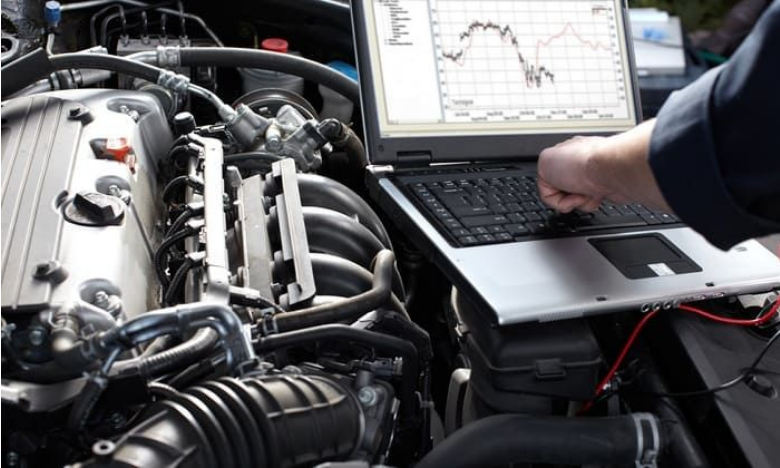
Commercial vehicle diagnostics refers to the use of specialised software and hardware tools to scan, analyse, and interpret electronic control systems in trucks, trailers, and other heavy vehicles.

These systems help you:

  • Detect engine faults early
  • Monitor emissions and fuel systems
  • Reset service indicators
  • Generate service reports for clients or compliance

Diagnostic systems are compatible with major brands and are vital for any workshop offering services to fleets, logistics firms, or independent operators.

Key Benefits for Fleet Maintenance

1. Prevents Expensive Breakdowns

By identifying issues before they become critical, diagnostics reduce unplanned repair costs and on-road breakdowns.

2. Improves Turnaround Times

Automated fault detection speeds up problem-solving, helping your team complete more jobs per day.

3. Boosts Customer Trust

Professional diagnostic reports add credibility to your services, especially for large-scale clients managing multiple vehicles.

4. Ensures Compliance

Stay ahead of regulatory checks with digital logs and emissions monitoring.

What to Look for in a Diagnostic Tool

Not all systems are created equal. Here’s what commercial workshops should prioritise when investing in diagnostics:

Software Versatility

Choose tools that work with a wide range of commercial vehicle brands and models.

Regular Updates

Select systems that receive consistent updates to stay compatible with evolving engine technologies.

Local Support

Opt for suppliers that offer in-country support and training to get the most from your system.

Common Features of Advanced Diagnostics Tools

  • OBD & CAN support for diesel trucks
  • Live data feeds for real-time monitoring
  • Service resets for maintenance tracking
  • Error code libraries with definitions and solutions
  • Wireless functionality for mobile technicians

Whether you’re running a workshop or maintaining your own fleet, these features help streamline maintenance from end to end.

AMC Solutions – The Diagnostics Partner for Pros

At After Market Commercial Solutions, we supply trusted commercial diagnostics tools for South African workshops. From engine fault scanning to software setup, we offer the tools and expertise to help your business perform at its best.

We supply:

  • Fully featured diagnostic systems for trucks and trailers
  • Ongoing software updates
  • Expert training and aftersales support
  • Localised solutions tailored to South African conditions

“When every minute matters, smart diagnostics keep your fleet moving.”

Hydraulic System Repairs for Heavy Equipment: Extending the Life of Your Machinery

Hydraulic System Repairs for Heavy Equipment

Hydraulic systems are the powerhouse behind heavy-duty machinery, enabling smooth, precise, and reliable movement for demanding tasks. In industries such as construction, mining, agriculture, and materials handling, hydraulics control the lifting, pushing, digging, and clamping operations that keep production moving. When these systems fail, the consequences are more than just inconvenient, they can be financially devastating. Downtime not only disrupts operations but also drives up repair costs, delays projects, and reduces overall profitability.

Investing in proper hydraulic repair and maintenance is not a luxury, it’s an operational necessity. High-performing hydraulics deliver consistent force, maintain operational safety, and extend the lifespan of your equipment, ensuring your business remains productive and competitive.

Why Hydraulic Systems Are Essential for Heavy Equipment
Heavy equipment is designed for one purpose: to perform tasks that require enormous force, precision, and reliability. The hydraulic system is the core mechanism that allows these machines to execute their duties effectively. Without a fully functional hydraulic system, loaders cannot lift, excavators cannot dig, and forklifts cannot operate efficiently.

Hydraulic systems operate under extreme pressure, often in harsh environmental conditions such as heat, dust, moisture, and vibration. Over time, these factors cause wear and tear on seals, hoses, pumps, and cylinders. When ignored, these small issues can escalate into major mechanical failures that bring your equipment, and your workflow, to a standstill.

Common Causes of Hydraulic System Failures
Hydraulic breakdowns rarely happen without warning. They are often the result of gradual deterioration or poor upkeep. Key causes include:

  • Seal wear and degradation due to constant high pressure and temperature changes
  • Contamination from dirt, water, or degraded hydraulic fluid
  • Overloading the equipment beyond its designed capacity
  • Poor installation or misalignment of hoses and fittings
  • Lack of preventative maintenance checks and lubrication schedules

The Financial Impact of Ignoring Hydraulic Repairs
A neglected hydraulic system can quickly become a financial burden. A single pump replacement can cost tens of thousands, and if a failure occurs mid-project, additional expenses like emergency service fees, replacement rentals, and extended labour hours quickly add up. Beyond direct costs, project delays can affect client relationships, contracts, and future business opportunities.

Benefits of Timely Hydraulic Repairs and Maintenance
Choosing to address hydraulic issues proactively offers multiple long-term benefits:

  • Extended Equipment Life: Prevents small issues from developing into expensive mechanical breakdowns.
  • Improved Performance: Keeps force and responsiveness consistent under heavy loads.
  • Reduced Downtime: Minimises production delays caused by mechanical failure.
  • Lower Operating Costs: Avoids the inflated expenses associated with emergency repairs.
  • Enhanced Workplace Safety: Reduces the risk of accidents linked to hydraulic malfunctions.

Best Practices for Maintaining Hydraulic Systems
A disciplined maintenance approach is essential to maximise the performance of your hydraulic systems:

  • Use only manufacturer-recommended hydraulic oil grades and keep fluids clean.
  • Replace seals, rods, and pistons at the first sign of wear or leakage.
  • Secure hydraulic hoses to prevent rubbing, bending, or vibration stress.
  • Keep filters clean and replace them on schedule to prevent contamination damage.
  • Schedule regular inspections and document findings to monitor trends over time.
  • Train operators on proper equipment handling to reduce strain on hydraulic components.

Why Aftermarket Hydraulic Parts Make Sense
Many businesses are discovering the advantages of using quality aftermarket parts for hydraulic repairs. These parts can match or exceed OEM specifications while offering significant cost savings. With access to a reliable aftermarket supplier, you gain consistent availability of components, reduced lead times, and competitive pricing without compromising durability or performance.

Why Choose After Market Commercial Solutions for Hydraulic Repairs
After Market Commercial Solutions offers an extensive range of hydraulic repair services and replacement parts that meet the demanding requirements of heavy-duty industries. Their commitment to quality and efficiency ensures:

  • Access to high-performance OEM-equivalent and aftermarket hydraulic components
  • Experienced technicians who understand the challenges of heavy machinery
  • Fast turnaround to minimise downtime and keep projects on track
  • Solutions tailored to the specific requirements of your equipment and operational conditions

“Keep your machines moving with hydraulics built to last.”

Preventive Fleet Maintenance: How Aftermarket Parts Keep Your Vehicles Road-Ready

Preventive Fleet Maintenance

Fleet operators know that keeping vehicles operational is about more than fixing problems when they arise, it’s about stopping those problems from happening in the first place. Preventive maintenance is the foundation of a reliable, efficient, and profitable transport operation. By integrating quality aftermarket parts into your maintenance strategy, you can reduce downtime, lower costs, and extend the life of your fleet.

Why Preventive Maintenance is the Smarter Choice
Reactive repairs may get a vehicle back on the road, but they come at a higher cost in both money and productivity. Preventive maintenance ensures:

  • Lower risk of unexpected breakdowns during critical operations
  • Increased reliability across the entire fleet
  • Consistent adherence to safety regulations and standards
  • Improved vehicle resale value due to documented maintenance history

By identifying and resolving potential issues early, fleet managers can maintain control over operational schedules and avoid the disruptions that come with last-minute repairs.

Key Areas That Often Get Overlooked
Even with the best intentions, some maintenance areas are easy to neglect, often leading to expensive repairs down the line:

  • Engine oil and filter changes: Delays can result in premature engine wear and failure.
  • Brake system inspections: Neglecting brake pads, rotors, and fluid levels compromises safety.
  • Suspension and steering checks: Worn components affect handling and increase tyre wear.
  • Electrical system maintenance: Small faults, such as faulty sensors or wiring, can escalate into costly system-wide failures.
  • Cooling system upkeep: Radiators, hoses, and coolant require regular inspection to prevent overheating.

The Business Advantages of Preventive Fleet Maintenance
A well-executed preventive maintenance plan is an investment with clear returns:

  • Reduced Operating Costs: Catching issues early minimises expensive part replacements.
  • Maximum Uptime: Vehicles spend more time generating revenue and less time in the workshop.
  • Safety and Compliance: Properly maintained vehicles reduce accident risk and ensure compliance with road safety laws.
  • Extended Vehicle Lifespan: Protects critical systems from avoidable wear and tear.
  • Predictable Budgeting: Scheduled maintenance reduces financial uncertainty.

Best Practices for Implementing Preventive Maintenance
A successful preventive maintenance programme involves strategic planning and consistent execution:

  • Schedule Maintenance Intervals: Base servicing schedules on mileage, hours of operation, and manufacturer recommendations.
  • Use Telematics and Data Tracking: Monitor performance indicators to predict maintenance needs.
  • Stock Critical Aftermarket Parts: Maintain an inventory of commonly needed items to avoid delays.
  • Standardise Inspection Procedures: Ensure all vehicles receive the same level of attention at each service.
  • Train Drivers for Early Fault Detection: Drivers can identify unusual noises, smells, or handling changes before they become major issues.
  • Work with a Trusted Supplier: Partner with a parts supplier that offers reliable availability, competitive pricing, and technical expertise.

Why Aftermarket Parts are Essential for Fleet Maintenance
Aftermarket parts have become a trusted choice for fleet managers looking for quality and cost-effectiveness. These parts often match or exceed the specifications of OEM components while offering:

  • Greater availability for quick replacements
  • Competitive pricing without compromising performance
  • Compatibility across a wide range of vehicle brands and models
  • Proven reliability in demanding South African conditions

By relying on a reputable supplier, fleets gain the confidence that their vehicles are equipped with components designed for long-term durability and optimal performance.

Choosing the Right Aftermarket Parts Supplier
Not all suppliers are equal. Look for a partner that offers:

  • A comprehensive range of parts for your specific fleet requirements
  • Rigorous quality control processes to ensure part reliability
  • Expert advice on product selection and installation
  • A proven track record of supporting commercial fleets across multiple industries

Why Choose After Market Commercial Solutions for Fleet Maintenance Parts
After Market Commercial Solutions provides the parts, knowledge, and support needed to keep fleets running smoothly. Their offerings include:

  • An extensive inventory of high-quality aftermarket components
  • Industry expertise across trucking, construction, and agricultural sectors
  • Quick order fulfilment to reduce vehicle downtime
  • Competitive pricing to support long-term operational savings

“Plan ahead, stay ahead, keep your fleet in top gear with AMCS parts.”