
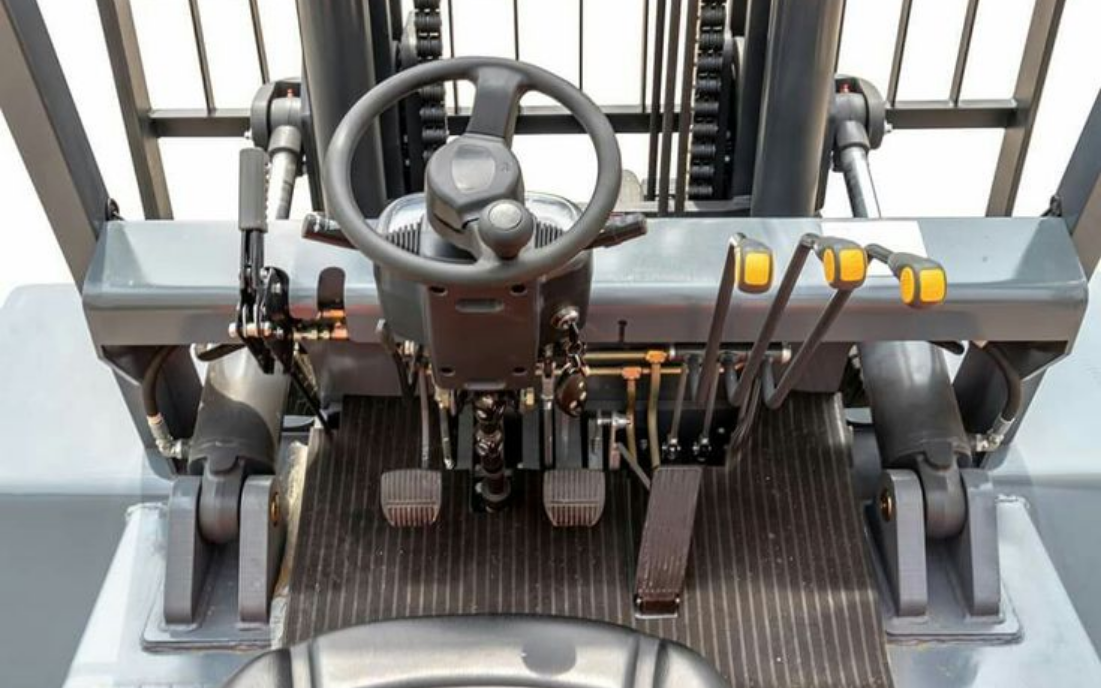
The Hidden Strength Within Every Forklift
Every forklift’s power lies not just in its engine or electric motor, but in the hydraulic system that makes lifting, tilting, and positioning loads possible. Hydraulics are the heart of material handling, converting mechanical energy into controlled, precise motion.
When a forklift raises a heavy pallet or tilts a mast forward with effortless precision, it’s the hydraulic system doing the hard work. These systems operate under immense pressure and require expert care to remain efficient, safe, and reliable.
At After Market Commercial Solutions (AMCS), we understand that maintaining hydraulic integrity isn’t just a service task, it’s an essential part of performance, safety, and uptime.
What the Hydraulic System Does
The hydraulic system is responsible for all the forklift’s primary lifting and movement functions. It transmits power through pressurised fluid, giving the operator smooth and powerful control over the mast, forks, and attachments.
Key hydraulic operations include:
- Lifting and lowering: Raising loads vertically through controlled fluid pressure.
- Tilting: Adjusting the mast angle for balance and load stability.
- Steering and braking (in some models): Supporting auxiliary systems for smooth operation.
Without hydraulics, forklifts would be little more than powered carts, unable to lift or manoeuvre effectively.
How Hydraulic Systems Work
At its core, a forklift’s hydraulic system uses Pascal’s Law, which states that pressure applied to a confined fluid is transmitted equally throughout the fluid.
Here’s how that principle translates into action:
- The Pump generates fluid flow from the hydraulic reservoir, powered by the engine or electric motor.
- Hydraulic Lines and Hoses carry pressurised fluid to the system’s control valves and cylinders.
- Control Valves regulate the direction and flow of the fluid based on operator input.
- Cylinders and Pistons convert fluid pressure into mechanical force, lifting or tilting the load.
- Return Lines carry the fluid back to the reservoir, completing the cycle.
This process happens seamlessly and repeatedly every time an operator moves the control levers, creating precision movement even under heavy loads.
Key Components of a Forklift Hydraulic System
Understanding the main components of a forklift’s hydraulic system helps operators and maintenance teams identify potential problem areas before they cause downtime.
1. Hydraulic Pump
The pump is the system’s heart, generating the flow that powers every hydraulic action. Common pump types include gear, vane, and piston pumps, each suited to different forklift models and load requirements.
2. Hydraulic Cylinders
These are responsible for converting fluid pressure into linear motion. Lift cylinders raise the mast, while tilt cylinders control its angle. High-quality seals and precision machining are critical for maintaining efficiency.
3. Hydraulic Fluid
The system’s lifeblood. Hydraulic oil lubricates components, transfers energy, and helps dissipate heat. Using the wrong fluid type or neglecting fluid replacement is one of the most common causes of system failure.
4. Control Valves
These regulate fluid direction, volume, and pressure. They translate operator commands into mechanical response, making smooth operation possible.
5. Hoses and Fittings
High-pressure hoses connect every part of the system. They must withstand heat, vibration, and constant movement without leaking or bursting. Regular inspection is vital.
Common Hydraulic Problems, and What They Mean
Even the best forklifts experience wear over time. Knowing how to recognise hydraulic issues early can save thousands in repair costs.
1. Hydraulic Fluid Leaks
Visible oil spots under a forklift usually indicate worn seals, loose fittings, or hose damage. Leaks reduce system pressure and can cause dangerous load drops if ignored.
2. Jerky or Slow Lifting
This is often caused by low fluid levels, air trapped in the system, or worn pump components. Smooth, responsive operation depends on maintaining consistent pressure.
3. Excessive Noise or Vibration
A whining or knocking sound can indicate cavitation, when air bubbles form in the fluid due to low levels or blockages. This can damage pumps and cylinders quickly.
4. Overheating
Hydraulic systems generate heat under load, but excessive temperatures suggest contamination, incorrect oil viscosity, or a failing relief valve. Overheating accelerates wear and can cause fluid degradation.
5. Spongy Controls or Delayed Response
If the forklift feels sluggish or unresponsive, the issue may lie in worn seals or a failing control valve. These problems reduce operator precision and safety.
Early intervention is key. Addressing these warning signs through AMCS’s expert servicing prevents major failures and ensures continuous performance.
Maintenance Practices That Extend Hydraulic Life
Proper maintenance is the single most effective way to preserve a forklift’s hydraulic system. AMCS recommends a structured maintenance plan that includes the following steps:
1. Routine Fluid Checks
Monitor fluid levels daily and check for signs of contamination (such as discolouration or a burnt smell). Replace hydraulic oil according to manufacturer guidelines, typically every 1,000-2,000 operating hours.
2. Filter Replacement
Clogged filters restrict flow and introduce contaminants. Replace filters at scheduled intervals to maintain clean, efficient fluid circulation.
3. Regular Hose Inspection
Inspect hoses for cracks, bulges, or leaks. Even minor damage can lead to pressure loss or system failure under load.
4. Seal and Fitting Checks
Hydraulic seals are designed to handle extreme pressure, but they wear down over time. Inspect regularly and replace proactively to prevent leaks.
5. Temperature Monitoring
Overheating shortens the life of both fluid and components. Keep an eye on temperature gauges and address issues promptly.
6. Clean Operating Environment
Dust and debris can enter hydraulic systems during servicing or refilling. Always work in clean conditions to avoid contamination.
The Link Between Hydraulics and Safety
A hydraulic failure isn’t just a mechanical problem, it’s a safety hazard. Leaking hoses, weak lifting pressure, or failing seals can cause unstable loads and sudden drops.
By maintaining the hydraulic system, operators protect both themselves and their equipment. AMCS’s technicians follow strict safety inspection protocols, ensuring every system component performs within safe operating limits.
Forklift safety isn’t about luck; it’s about maintenance discipline and professional servicing.
Hydraulic Servicing by AMCS
At After Market Commercial Solutions, hydraulic servicing is part of our core expertise. Our technicians are trained to inspect, diagnose, and repair all hydraulic components on Heli forklifts and other leading brands.
Each service includes:
- Fluid analysis and replacement
- Cylinder seal inspection and replacement
- Pressure testing and calibration
- Hose and fitting replacement
- Pump and valve functionality testing
Using genuine parts and precise testing equipment, AMCS ensures your hydraulic systems operate exactly as intended, strong, efficient, and reliable.
Hydraulic Upkeep as Part of Total Fleet Care
Hydraulics are just one piece of the puzzle. A complete maintenance plan considers the entire forklift, from electrical systems to drive components. AMCS integrates hydraulic servicing into broader maintenance schedules, providing a full-picture approach that keeps fleets running longer and safer.
This holistic method ensures that performance gains aren’t isolated to one system but are felt across every aspect of your operation.
Conclusion: Power You Can Depend On
Hydraulics are the heartbeat of every forklift. When properly maintained, they deliver the precision, strength, and control that define efficient material handling.
Neglect, however, turns this strength into vulnerability, leading to downtime, safety risks, and unnecessary costs.
With AMCS, you get more than a repair service; you get a partner dedicated to the performance and longevity of your fleet. From fluid analysis to complete system overhauls, our team ensures your forklifts always deliver the lifting power your business depends on.Because at AMCS, we don’t just maintain machinery, we protect productivity.